tauchen

Learning how to be alone

10 September 2026

Exotic vs. Domesticated

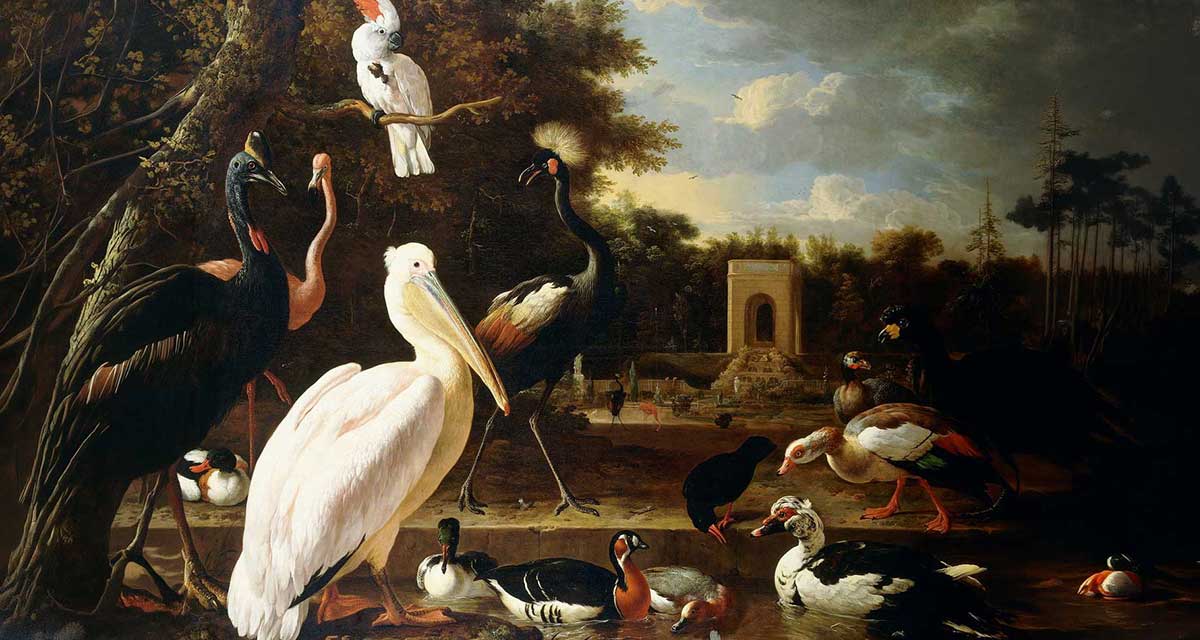
Quetzal, Gallus and the bird themes


Author | Jonathan Hardy

ABSTRACT: Following an overview of the characteristic sensations, themes, and pathologies associated with bird remedies, these homeopathic characteristics of birds are illustrated by two case studies. The specific characteristics of both an exotic and a domesticated bird then lead to precise remedy diagnoses.

KEYWORDS: Arthritis, birds, chicken, cramps, fatigue, Gallus domestices, nausea, Pharomachros mocinno, Quetzal

Quetzal, Gallus and the bird themes

Author | Jonathan Hardy

ABSTRACT: Following an overview of the characteristic sensations, themes, and pathologies associated with bird remedies, these homeopathic characteristics of birds are illustrated by two case studies. The specific characteristics of both an exotic and a domesticated bird then lead to precise remedy diagnoses.

KEYWORDS: Arthritis, birds, chicken, cramps, fatigue, Gallus domestices, nausea, Pharomachros mocinno, Quetzal

To continue reading you must purchase an Annual Subscription or Jahresabonnement.

Related articles

Check other articles from the current edition
This category can only be viewed by members. To view this category, sign up by purchasing Annual Subscription or Jahresabonnement.
10 September 2026

Learning how to be alone

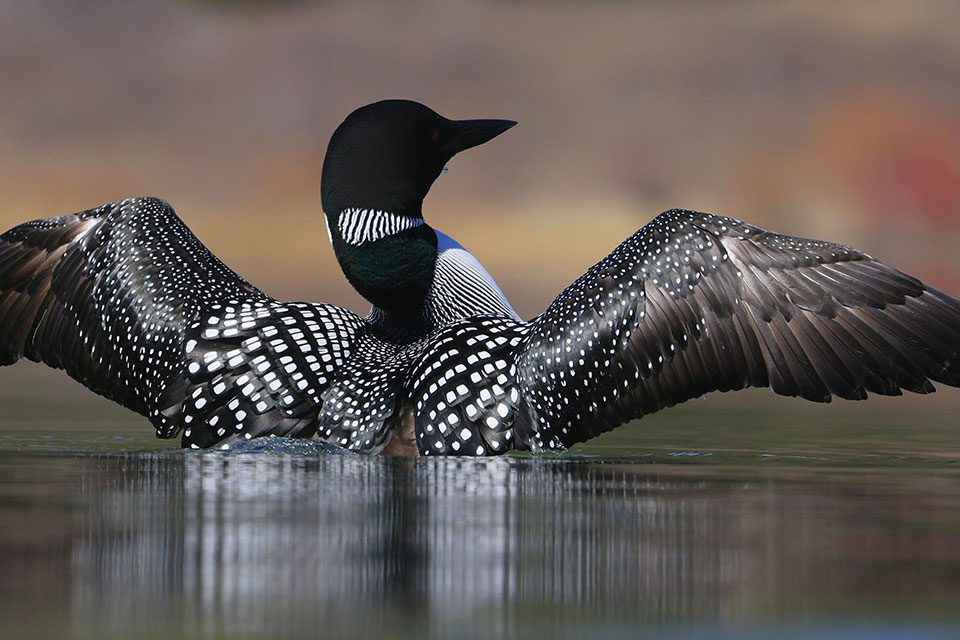
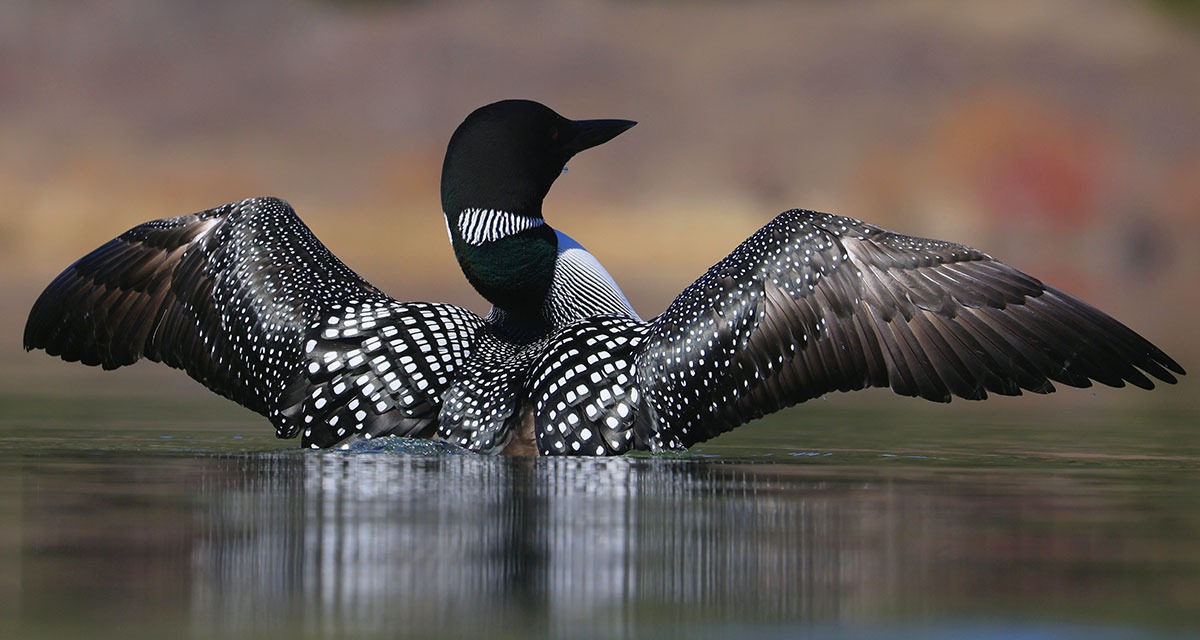
Gavia immer – proving and long-term observations

Author | Je Norbu (Jason-Aeric) Huenecke

ABSTRACT: The remedy profile of Gavia immer is developed across various levels of experience, ranging from the biology of the loon to symptoms observed in the proving and verbatim statements of four patients in long-term observations. They share long-standing sadness, isolation, the sense of not belonging and self-reproach, and they carry a loss that predates them, and keeps the authentic self out of sight. The remedy helps them witness life and their inner state without merging and thus deepen their connection to self.

KEYWORDS: Anxiety, aves, birds, Cygnus cygnus, depression, dryness, eruptions, exhaustion, fungus, Gavia immer, loon, Natrium muriaticum, obsessional washing, ringworm, sadness, sleep disorder, smoking cessation, transgenerational grief, wandering pain

To continue reading you must purchase an Annual Subscription or Jahresabonnement.
9 September 2026

Diving deep gives me inner silence

Gavia immer in a case of existential anxiety

Author | Ghanshyam Kalathia

ABSTRACT:A university lecturer in homeopathy suffers from Hashimoto’s disease and severe anxiety, triggered by a major life change. While she has a strong sense of responsibility, she wants to escape those responsibilities and yearns for freedom. This conflict is typical of bird remedies. Qualities like perfection, tenacity and stubbornness and expressions tied to calmness, contentment and serenity lead to the prescription of Gavia immer. Following treatment, the patient regains calm and peace and reclaims her inner strength.

KEYWORDS: Anxiety, birds, Gavia immer, Hashimoto’s disease, insomnia, loon, palpitations, thyroiditis

To continue reading you must purchase an Annual Subscription or Jahresabonnement.
8 September 2026

Between the cage and the sky

The third Superclass and the Class Aves in Homeopathy

Authors | Rajan Sankaran and Gentiana Jurj (Ciubuc)

ABSTRACT: When a patient sits before us and speaks in the same breath of freedom and of a bond that cannot be broken, of the sky and immediately of a nest, we can be certain that we are listening to a bird. In the Five-Finger Method, this duality bears a precise name: the Third Superclass (SC3), Limit and Expansion, and the class Aves is its animal expression par excellence. This article builds, step by step, the road from the concept of Superclass down to the individual remedy. Part I establishes the theoretical framework of Superclasses in general, of SC3 across the three natural kingdoms, and of the distinction between Lac humanum and the class Aves within SC3 animal. Part II applies the Five-Finger Method clinically to ten bird orders aligned with current biological taxonomy, mapping their source words, characteristic rubrics from the Repertory, and miasmatic signatures. A companion clinical article by Dr. Anja Balzereit in the same issue, presenting a case of Haliaeetus leucocephalus, illustrates the method in vivo.

KEYWORDS: Aquila chrysaetos, Ara macao, Ardea herodias, Aves, birds, Bubo virginianus, Buteo jamaicensis, Cactus grandiflorus, Cathartes aura, Columba palumbus, Corvus corax, Cygnus cygnus, Falco peregrinusfive-finger-method, Haliaeetus leucoceohalus, kingdom, Lac humanum, Larus argentatus, miasm, Passer domesticus, Pelecanus occidentalis, raptors, superclass, syphilitic miasm, tubercular miasm, Tyto alba, source language, Vultur gryphus

To continue reading you must purchase an Annual Subscription or Jahresabonnement.

Menu